Early History
In the late 1800s and early 1900s, many Sicilian immigrants in Louisiana moved out to Tangipahoa parish and began farming. As Independence became more populated, it was incorporated as a village in 1903 and as a town in 1912. {1}
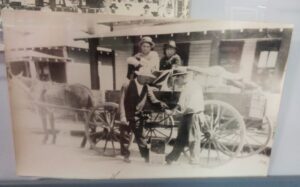
“The work was hard and the pay was meager,” said Micheal Agnello, a local citizen of Independence and Sicilian descendant. Most were paid fifty cents a day and given a shack to live in. Michael said the Sicilian immigrants were industrious and even after working hard long hours they planted vegetable gardens. “They saved every penny they could in hopes of a better life,” said Agnello. {2}
Strawberries
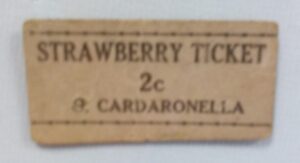
Strawberries became a prevalent crop in the area, and Sicilian immigrants were recruited to move out to the area and farm. Whole families would work together.
“Many began as pickers working for $1.50 to $1.75 per day, and within a few years saved enough from their wages to buy their own twenty-acre farms for approximately forty dollars an acre.” {3}
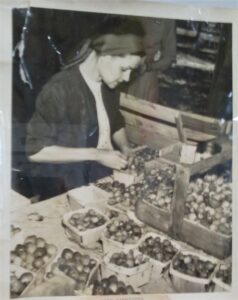
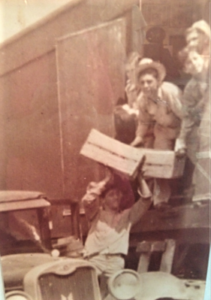
Mary Candiotto packing strawberries {4}
“By 1905, Independence had become Louisiana’s primary shipping center for strawberries.” {5}
People
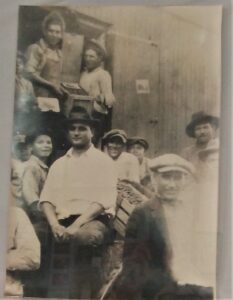
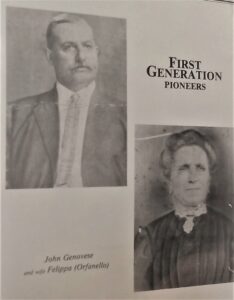
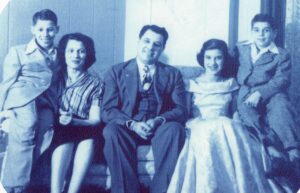
One of the founding families of Independence was the Genovese family. Pictured below are John and his first wife, Philippa (Orfanello) Genovese.
“They opened a grocery store that catered to the strawberry farmers. The farmers were given food throughout the year and would repay the Genoveses during the strawberry season.” {6)
Another one of the early families to Independence was the Anzalone family
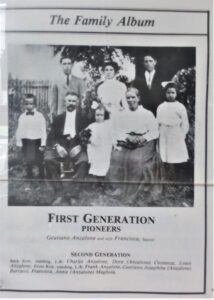
Their son, Charles Anzalone, moved to Independence in 1902 with his family and began strawberry farming. He went on to become president of the independence Bank, local manager of the Strawberry Growers’ Selling Company, and later mayor of the city. During his administration, sidewalks in Independence were laid, and pavement on the main streets was installed. {7}
Sicilian politicians in Independence included Charles Anzalone, Charles Maretta, Vincent Vacarro, Charles Sinagra, John LaRock, and Phillip Damiano, as well as state representatives Charles Anzalone, Frank Anzalone, and Buster Guzzardo. {8}
Merchants and Local Businesses
In the early 1900s, Sicilian immigrants comprised the majority of residents in Independence and on surrounding farms.
“Expanding their endeavors beyond berry farming, the Italians invested in businesses, small factories, and in an electric power plant. They also took an active role in the creation of strawberry farmers’ associations, working with other Sicilians and native Americans, which helped Louisiana to become the leading strawberry-producing state throughout the 1920s.” {9}
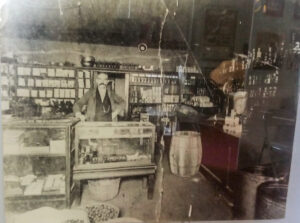
On display at the Independence Cultural Museum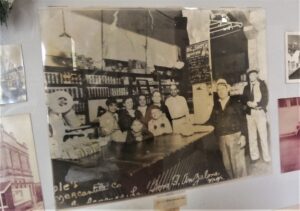
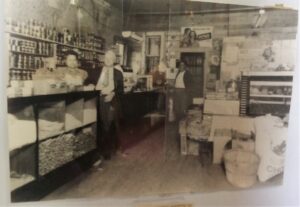
Charles Marretta’s store
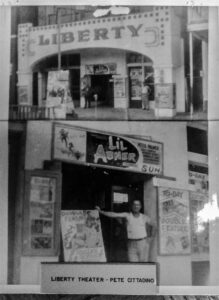
Beginning at 5:05 in the above video, he mentions going to the drugstore for ice cream.
Biundo’s Drug Store had a counter where locals could sit and enjoy their ice cream cones, sundaes, milkshakes banana splits etc. In earlier times they even served soups and sandwiches.
The three soda clerks pictured below are Phyllis Bonfiglio, Laura Mannino, and Angie Bufalo. (Laura is the older sister of the current mayor.)
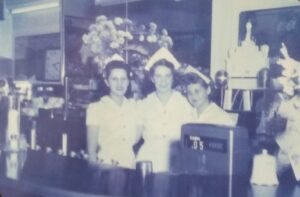
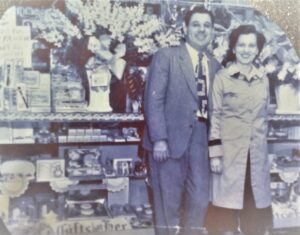
Joe and Annie Biundo inside Biundo’s Drug Store
Organizations and Groups
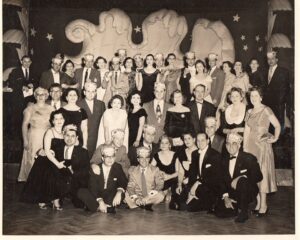
The early growth and success of Independence was largely due to the mutual aid societies and social and political organizations of early Sicilian immigrants.
“One of the ways in which a sense of community was preserved was with the establishment of mutual aid societies that assisted the new citizens in adjusting to American life. These groups were politically active and activated for such things as new transportation routes, and they also served as springboards for Italians who wished to enter public life.” {10}
Education and Sports
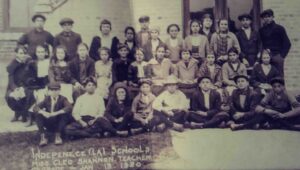
Independence 1920 6th Grade Class
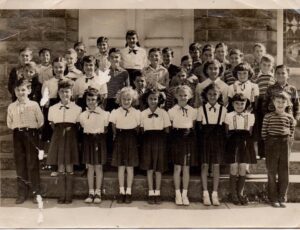
1948-49 school year, 3rd and 4th grade class
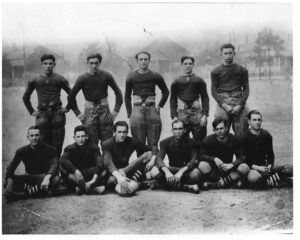
Independence High’s First Football Team, early 1920s
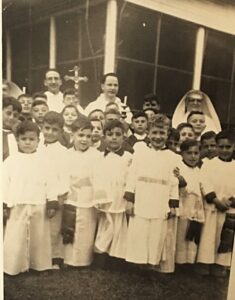
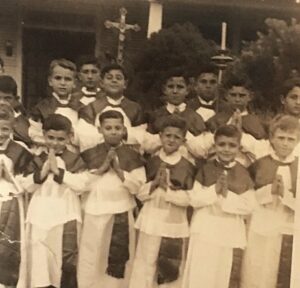
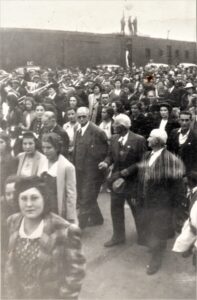
St. Joseph’s Day as celebrated in the past
The procession would “begin with a band concert, after which the band would march through town, stopping at local businesses and homes to honor those active in the St. Joseph’s Society. “
‘Older community members remember the days when there were as many as thirty or forty St. Joseph’s altars in Independence and the surrounding area.
It was common for area Catholics to “make the rounds,” visiting as many as fifteen altars in a day or two.
Householders who gave altars would put magnolia leaves in an area where they could be easily seen by passersby, such as on the mailbox, indicating that visitors were welcome to enter the house and view the altar.'{11}
St Joseph’s Day procession in 1929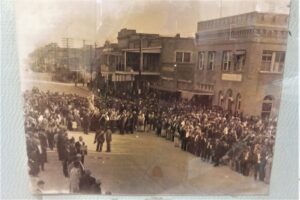
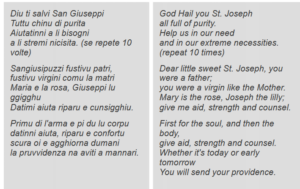
Below is a rosary text in Sicilian recited in Independence. Translation provided by Rafaella Maggiore of Kenner (collected by Ethelyn Orso).
Lu Rosariu di San Giuseppi / The Rosary of St. Joseph {12}
Independence Today
A great time to visit Independence now is during the annual Independence Sicilian Heritage Festival held during the second weekend of March every year.
The next one will be in March 2021, featuring a parade, a spaghetti eating contest, a meatball toss, a pageant, live entertainment, dancing, food, carnival rides, and more. You can even enter a raffle to win a trip to Sicily!
(Facebook page: Independence Sicilian Heritage Festival)
Independence Italian Cultural Museum
While in Independence, be sure to check out the Independence Italian Cultural Museum in the former Mater Dolorosa church on 524 Pine St. Some of the photos on this page are on view at the museum, along with many others.
Website: https://www.indymuseum.org/
Facebook page: Independence Italian Cultural Museum
“The Italian Cultural Museum will host its annual ‘A Night in Little Italy’ gala on Saturday, September 13th at 6:00 p.m., with tickets available for $50 per person. To purchase a ticket, call 985-320-6007 or email: iicm@indymuseum.org.
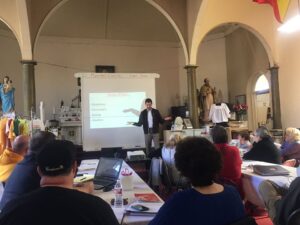
Following are videos from some of the previous Independence festivals. Enjoy!
Videos
Sources
{1} http://files.usgwarchives.net/la/tangipahoa/history/towns/independ.txt
{2} https://southeasternureporter.com/independence-louisianas-little-italy/
{3} http://www.louisianafolklife.org/LT/Articles_Essays/Italians.html
{4} Independence Italian Cultural Museum
{5} http://www.louisianafolklife.org/LT/Articles_Essays/Italians.html
{6} http://www.louisianafolklife.org/LT/Articles_Essays/Italians.html
{7} http://files.usgwarchives.net/la/tangipahoa/bios/anzalone.txt+
+
A History of Louisiana, (vol. 2), pp. 386-387, by Henry E. Chambers. Published by The American Historical Society, Inc., Chicago and New York, 1925.
{8} http://www.louisianafolklife.org/LT/Articles_Essays/Italians.html
{9} https://louisianadigitallibrary.org/islandora/search/Independence
{10} http://www.louisianafolklife.org/LT/Articles_Essays/Italians.html
{11} http://www.louisianafolklife.org/LT/Articles_Essays/Italians.html
{12} http://www.louisianafolklife.org/LT/Articles_Essays/Italians.html